Why is Confidential Computing for Enterprise AI Critical in 2026?
Confidential Computing for Enterprise AI secures sensitive data during active processing. It bridges the trust gap using hardware-enforced Trusted Execution Environments (TEEs). This enables organizations to deploy powerful AI models safely. It protects highly confidential information. This ensures privacy, intellectual property protection, and robust regulatory compliance.
Confidential computing is critical for enterprise AI. Market reports from May 2026 project exponential growth. This growth is primarily driven by enterprise AI adoption. Recent announcements validate this trend. HPE and NVIDIA expanded confidential computing into their AI portfolios. This occurred on June 16, 2026, as reported by BusinessWire. This shows significant industry focus.
The Confidential Computing Summit 2026 reinforces its importance. This event gathers industry experts on June 23-24, 2026. Confidential computing allows scaling AI securely. It addresses privacy concerns head-on. Without it, scaling AI in 2026 is challenging. It is a top priority for enterprises. This was highlighted in a March 2026 article. The Confidential Computing Market itself shows exponential growth, primarily from AI adoption.
Key Takeaways for Secure AI Deployment
- Confidential computing protects data-in-use with TEEs.
- It enables secure AI workloads on sensitive information.
- Enterprises gain robust AI model intellectual property protection.
- Adoption ensures regulatory compliance for AI data.
- This technology is vital for scaling enterprise AI initiatives.
How Does Confidential Computing Secure AI Workloads?
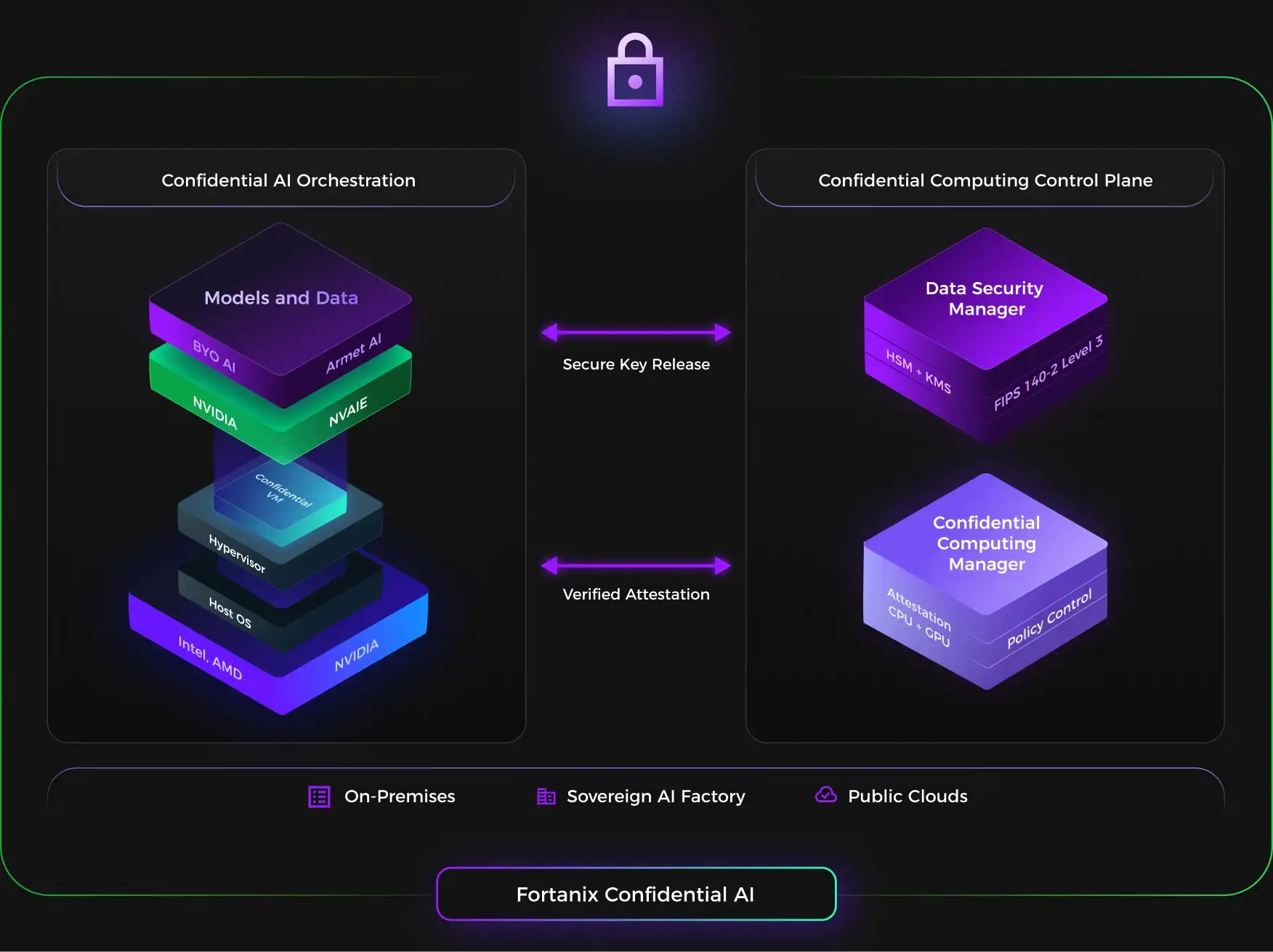
Confidential computing secures AI workloads by isolating data. It uses hardware-based Trusted Execution Environments (TEEs). These TEEs create a protected enclave within the CPU. Data remains encrypted and inaccessible inside this enclave. This provides data-in-use protection AI. It shields sensitive information from the host environment.
This includes cloud providers, administrators, and other processes. Traditional security encrypts data at rest and in transit. Confidential computing extends this protection to data in use. This closes a critical security gap for AI. For example, AI models training on private data leverage TEEs. The data is processed without exposure. This ensures privacy-preserving AI inference. It protects both the data and valuable AI model intellectual property.
What are Trusted Execution Environments (TEEs) for AI?
Trusted Execution Environments (TEEs) are hardware-isolated secure areas. They exist within a processor. TEEs create a trusted boundary for computations. This ensures the integrity and confidentiality of code and data. For AI, TEEs safeguard models and data during processing. This provides hardware-based AI security.
They prevent unauthorized access. This protection applies even from privileged software. Examples include the operating system or hypervisor. This makes TEEs foundational for secure AI workloads. Major vendors offer various TEE implementations.
Architecting Confidential Computing for Enterprise AI: A Practical Playbook
Integrating Confidential Computing for Enterprise AI requires careful planning. Enterprises need specific architectural patterns. These patterns ensure seamless and secure AI pipelines. Oracron Digital specializes in these advanced integrations. Oracron Digital helps organizations leverage secure AI workloads. Learn more about Oracron Digital's AI Solutions.
What are key architectural patterns for enterprise AI?
Key architectural patterns involve hybrid cloud and multi-cloud setups. They also include edge deployments. For hybrid AI, data can reside on-premises. Processing may occur in confidential cloud enclaves. This secures data-in-use protection AI. Cloud integration typically uses vendor-specific TEE offerings. These include Azure Confidential Compute or AWS Nitro Enclaves.
Another pattern involves secure data ingestion. Data is encrypted before entering the TEE. It remains encrypted throughout processing. Only the trusted application within the TEE can decrypt it. This pattern supports privacy-preserving AI inference at scale. It protects AI model intellectual property. This also enhances AI-Driven Software Supply Chain Security.
How can enterprises adopt confidential computing at scale?
Adopting confidential computing at scale involves a phased approach. First, identify critical AI workloads handling sensitive data. Prioritize these for TEE integration. Next, assess existing cloud infrastructure. Evaluate its compatibility with confidential computing. Oracron Digital can assist with your Cloud Infrastructure strategy.
Consider the operational challenges. These include key management and attestation. Develop robust monitoring and logging strategies for TEEs. Choose solutions that support existing development practices. This minimizes disruption for AI/ML engineers. Look for platforms that simplify AI-Native Platform Engineering.
Enterprises should implement a structured decision framework. This framework guides choices for various vendor offerings. It ensures alignment with security policies. Prioritize solutions with comprehensive attestation features. These features verify the TEE’s integrity. This is vital for maintaining trust. Enterprises must also plan for ongoing management. This includes updates and patching for TEEs.
Vendor Solutions and Best Practices for Secure AI Workloads
Major vendors are expanding confidential computing integration. HPE and NVIDIA announced expanded capabilities on June 16, 2026. This partnership delivers security and governance for AI. It enables agentic AI into production. These solutions are crucial for secure AI workloads.
Best practices include choosing the right TEE technology. Evaluate Intel SGX, AMD SEV, or ARM TrustZone based on needs. Consider the ecosystem maturity and support. Ensure strong cryptographic controls are in place. Regularly audit and attest TEE environments.
Operational challenges include managing encrypted containers. Developers must adapt to new deployment models. Organizations should establish clear policies. These policies govern access to confidential AI workloads. Proper training for AI/ML engineers is also vital. This ensures effective utilization and management.
- Assess your sensitive data: Understand where your critical data resides.
- Identify AI workloads for TEEs: Pinpoint AI models processing this data.
- Choose appropriate TEE technology: Select hardware platforms compatible with your infrastructure.
- Implement strong key management: Securely manage cryptographic keys for data.
- Establish attestation protocols: Verify the integrity of your TEEs regularly.
- Train your team: Educate AI/ML engineers and security staff.
Addressing Regulatory Compliance for AI Data with Confidential Computing
Confidential Computing for Enterprise AI directly addresses compliance needs. It helps enterprises meet stringent data privacy regulations. These regulations include GDPR, HIPAA, and CCPA. By protecting data-in-use, it minimizes exposure risks. This is critical for highly regulated industries.
Regulated industries like healthcare and finance benefit greatly. They can perform secure AI inference on patient records. They can also analyze financial transactions. This happens without violating privacy laws. Confidential computing offers robust evidence of isolation. This aids in demonstrating compliance during audits. It provides a strong foundation for regulatory compliance for AI data.
Frequently Asked Questions about Confidential Computing for Enterprise AI
What is the primary benefit of confidential computing for enterprise AI?
The primary benefit is safeguarding sensitive data and AI models while they are actively being processed in memory. This eliminates the 'data-in-use' vulnerability, allowing enterprises to leverage powerful AI on highly confidential information without exposing it to cloud providers, malicious actors, or internal threats, thereby ensuring privacy and regulatory compliance.
How does confidential computing differ from traditional data encryption for AI?
Traditional encryption protects data at rest (storage) and in transit (network). Confidential computing extends this protection to data in use by processing it within hardware-enforced Trusted Execution Environments (TEEs). This means data remains encrypted and isolated even when the CPU is actively working on it, closing a critical security gap for AI workloads.
What are some real-world use cases for confidential computing in enterprise AI?
Real-world use cases include training AI models on highly sensitive healthcare records or financial data without exposing patient or customer privacy, securely collaborating on AI projects with multiple parties using proprietary datasets, protecting valuable AI model intellectual property during deployment, and enabling compliant AI inference in regulated industries.
Next Steps with Oracron Digital
Implementing Confidential Computing for Enterprise AI can be complex. Oracron Digital offers expert guidance and solutions. Oracron Digital's team helps you navigate this advanced security landscape. Oracron Digital ensures your AI initiatives are both powerful and secure. Contact Oracron Digital today to discuss your secure AI strategy.