Why is WebAssembly Component Model Enterprise Adoption Critical in 2026?
The WebAssembly Component Model enterprise adoption is pivotal for modern application development. It enables truly modular, polyglot applications. This 2026 playbook guides architects and developers. It helps build highly flexible, future-proof software systems. The WebAssembly Component Model enterprise adoption is crucial now. It addresses growing demands for agility and efficiency. WCM fosters a new era of software development. It supports platform-agnostic binaries and superior modularity. The Bytecode Alliance highlights its pivotal role. WASI 0.3 launched on June 11, 2026. This adds native asynchronous support. It greatly enhances Wasm component interoperability. Efforts towards Component Model 1.0 ensure stability. This makes WCM a solid choice. Enterprises seek advanced development strategies. WCM offers unparalleled architectural flexibility. You can explore The Road to Component Model 1.0.Key Takeaways for Enterprise Leaders
Understanding WCM's impact is essential. Enterprise leaders can prepare for this shift. Here are core insights:- WCM enables true cross-language component reuse.
- It supports modular application development for efficiency.
- WASI 0.3 async support unlocks new performance.
- Nanoservices architecture becomes more feasible.
- Wasmtime component support provides robust execution.
How Does WCM Facilitate Modular Application Development?
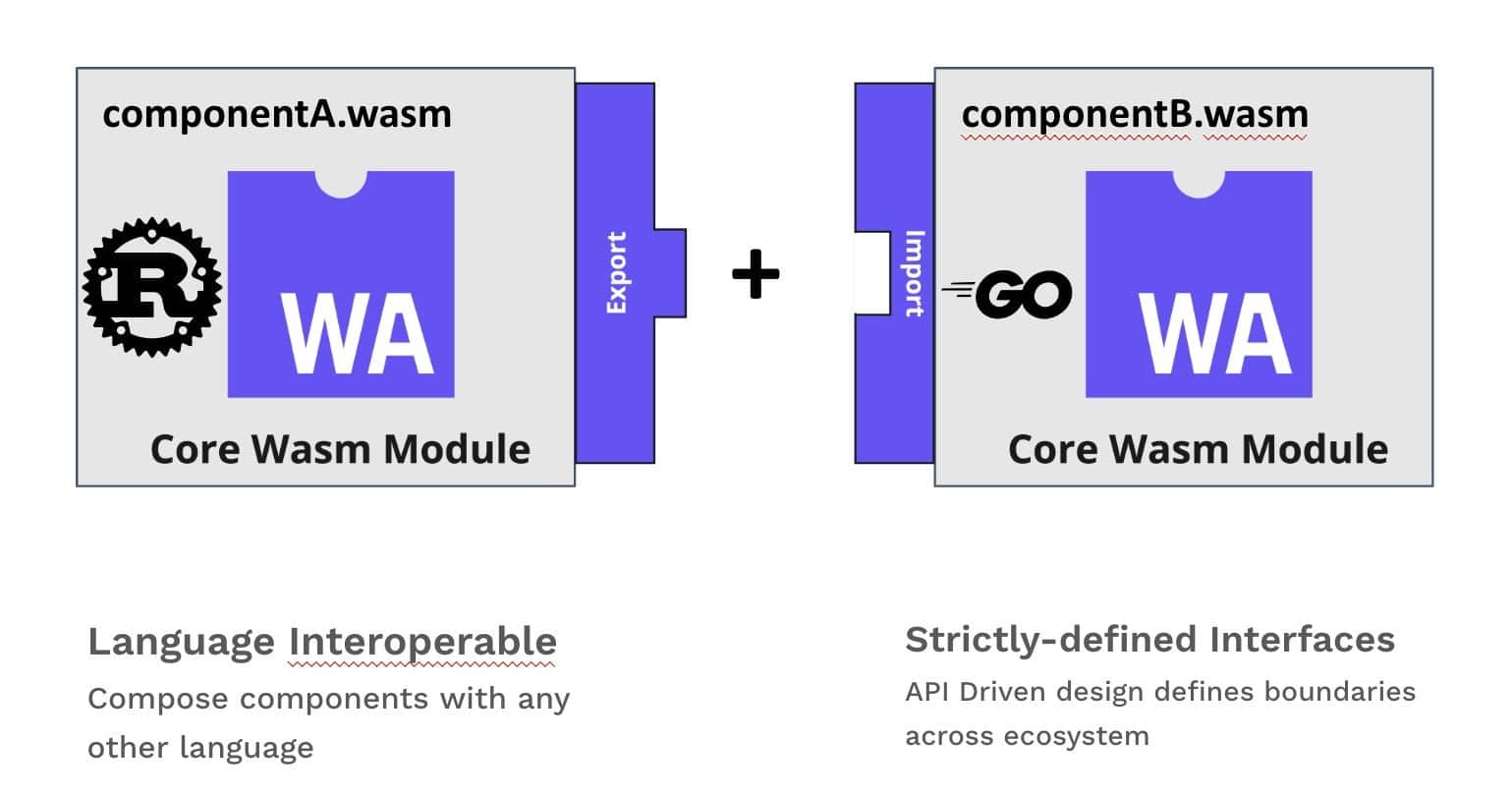
WCM inherently supports modular application development. It promotes smaller, independent units of code. These components communicate via well-defined interfaces. This approach simplifies complex systems. It also reduces maintenance overhead. This leads to faster development cycles. Oracron Digital excels in modern web development strategies.What Benefits Does Cross-Language Component Reuse Offer?
Cross-language component reuse is a core WCM strength. Developers can write components in preferred languages. These components then seamlessly integrate. This eliminates much manual “glue code.” It leverages existing skill sets effectively. This provides practical impact for developers. Read more in WebAssembly Component Model and WASI 0.3 in 2026.Strategies for WebAssembly Component Model Enterprise Adoption
Effective WebAssembly Component Model enterprise adoption needs a clear plan. It requires more than just technical understanding. Organizations must define clear roadmaps. This structured approach ensures successful integration.- **Pilot Programs:** Start with non-critical projects. Identify areas benefiting most from WCM. Gain internal experience and build expertise.
- **Architectural Assessment:** Evaluate existing monoliths or microservices. Pinpoint suitable candidates for componentization. Prioritize for maximum impact.
- **Tooling Integration:** Invest in robust tooling. Wasmtime component support is crucial. Integrate WCM into CI/CD pipelines. This streamlines development workflows.
- **Team Enablement:** Provide training for developers and architects. Foster a polyglot culture. Oracron Digital offers custom software solutions. We can guide your transition.
Addressing Enterprise Challenges with WCM
WCM tackles common enterprise challenges effectively. It enhances security compliance through strong sandboxing. Components run in isolated environments. Observability is also improved. Well-defined interfaces aid monitoring. This helps manage costs in distributed environments. WCM allows for efficient nanoservices architecture. It optimizes resource utilization across cloud infrastructure. WebAssembly is now outperforming containers at the edge. This provides clear advantages. This makes WCM vital for modern infrastructure. Read more about WebAssembly outperforming containers at the edge.The Future: Nanoservices and Platform-Agnostic Binaries
The WebAssembly Component Model enterprise adoption points to a future of nanoservices. These are ultra-lightweight, highly focused services. They offer extreme efficiency and scalability. WCM makes deploying them much easier. WCM generates platform-agnostic binaries. These run consistently across diverse environments. This simplifies deployment from cloud to edge to browser. It dramatically reduces operational complexity. This empowers businesses to innovate faster. Oracron Digital leverages server-side WebAssembly for cloud-native solutions. The Component Model is mature for cloud interop. It supports multi-language, multi-runtime cloud-native systems. This makes it ideal for future architectures. Gain a deep dive into Wasm Component Model cloud interop.Frequently Asked Questions about WCM
Here are answers to common questions about the WebAssembly Component Model.
What is the fundamental difference between a WebAssembly module and a WebAssembly component?
A WebAssembly core module is a low-level binary format. A component is a higher-level artifact. It builds on the component model binary format. Components include encoded type information. This uses WebAssembly Interface Types (WIT). They adhere to the Canonical ABI. This enables seamless, type-safe communication. It works between components written in different languages. Manual glue code is not needed.
How does the WebAssembly Component Model enhance enterprise application development?
The Component Model offers critical enterprise benefits. It enables truly modular, polyglot application development. This provides high interoperability. Strong security sandboxing is also a feature. It facilitates code reuse across languages. Development accelerates for performance-critical parts. It offers a path to more efficient nanoservices. It creates future-proof architectures. This is especially true for cloud and edge computing environments.
What are the key milestones or developments indicating the Component Model's readiness for enterprise adoption in 2026?
Key indicators confirm the Component Model's readiness. WASI 0.3 launched with native async support in June 2026. Active development targets Component Model 1.0. This is led by the Bytecode Alliance. Tooling maturity is increasing. Examples include Wasmtime and jco. Industry consensus now views the Component Model as real. It supports multi-language, multi-runtime cloud-native systems. It has moved beyond experimental stages.